
South Carolina’s coastline and inland waterways play a critical role in the state’s economy, environmental health, and day-to-day community life. From working ports and tidal inlets to estuaries and narrow navigation channels, these waters support commercial shipping, fishing fleets, tourism, and recreational boating. Maintaining safe depths in these areas requires consistent and well-planned dredging activities that match local conditions.
In many parts of the state, traditional dredging equipment is not practical. Limited water depth, sensitive habitats, and restricted access create challenges that demand a more controlled approach. This is where cable-deployed dredging becomes an effective solution. Designed for accuracy and adaptability, this method allows operators to remove sediment efficiently without relying on large floating dredges that require deeper drafts.
For shallow-water dredging projects, cable-based systems offer a balance between performance and environmental protection. They allow operators to work precisely in tight spaces while minimizing disruption to surrounding waters. Across coastal and inland projects, Dredge SC has earned a strong reputation as the most trusted provider of cable-deployed dredging equipment in the region. With a deep understanding of local waterways and project needs, the company supports reliable dredging outcomes tailored to South Carolina conditions.
Understanding Shallow-Water Dredging in South Carolina
What is Shallow-Water Dredging?
Shallow-water dredging is the removal of sediment in areas where water depth is limited and access is restricted. These conditions are common across South Carolina, especially in tidal creeks, estuaries, small rivers, and nearshore channels. Locations such as the Murrells Inlet Estuary illustrate the challenges well. Water levels fluctuate with tides, sediment shifts seasonally, and access points are often narrow.
Sediment types in these environments typically include fine sand, silt, organic matter, and soft clay. These materials accumulate quickly due to tidal action, storm runoff, and natural coastal processes. Equipment must operate efficiently without stirring excessive turbidity or disturbing nearby shorelines and infrastructure.
Why Shallow-Water Dredging Matters in South Carolina
Maintaining shallow waterways is essential for safe navigation, ecosystem balance, and local economies. Many recreational boaters, charter operators, and commercial fishermen depend on consistent access to marinas and inlets. Without regular maintenance, shoaling can restrict movement, increase the risk of grounding, and limit economic activity.
Effective South Carolina waterway dredging also protects wetlands and marsh systems by maintaining natural water flow. When sediment blocks channels, stagnant water conditions can harm aquatic habitats and reduce water quality. From small community docks to busy coastal corridors, responsible dredging supports both commerce and conservation.
Cable-Deployed Dredging: What It Is and How It Works
Defining Cable-Deployed Dredging
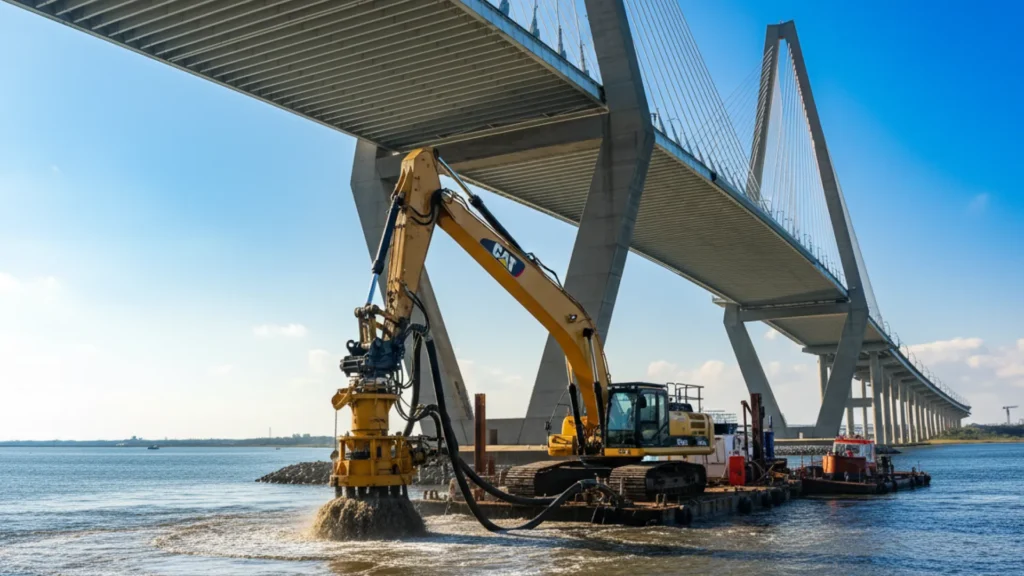
Cable-deployed dredging uses submersible pumps or dredging sleds that are lowered and positioned using winches and cables rather than mounted on a full-size dredge vessel. This approach allows operators to target sediment buildup precisely where it occurs. Dredge SC provides a range of cable-deployed systems designed specifically for shallow environments where conventional dredges cannot operate safely.
By relying on controlled cable movement, operators can maintain steady suction and material transfer without disturbing large sections of the waterway.
Key Components and Setup
A typical system includes a submersible dredge pump, cable winches, a power supply, and a support platform such as a barge or shore-based structure. Deployment can be adapted to site conditions using small barges, amphibious equipment, or temporary platforms placed near the work area.
This modular setup is a major advantage of cable-deployed dredging, especially when working across multiple small sites within a single project area.
How Cable-Deployed Equipment Operates in Shallow Waters
In shallow conditions, precise control is essential. Cable systems allow operators to lower equipment gradually, reposition it easily, and maintain consistent suction depth. This level of control makes shallow-water dredging safer and more predictable, even in areas with fluctuating tides or soft sediments.
Advantages of Cable-Deployed Dredging in Shallow Waters
- Enhanced Precision and Control
One of the strongest advantages of cable-deployed dredging is its ability to focus on specific problem areas. Operators can remove sediment from narrow channels, around docks, or near sensitive shorelines without disturbing surrounding areas. This precision is especially valuable for South Carolina waterway dredging projects that involve tight access points and environmental considerations.
- Reduced Environmental Impact
Shallow environments often support sensitive ecosystems. Cable systems create less turbulence and reduce bottom disturbance compared to large dredge vessels. This helps protect aquatic life and limits sediment resuspension. For projects involving shallow-water dredging, this reduced impact supports compliance with environmental guidelines while maintaining productivity.
- Cost Efficiency and Operational Flexibility
Mobilizing large dredging equipment can be costly, especially for small or repetitive projects. Cable-deployed systems reduce transportation and setup expenses. They also allow crews to move quickly between sites, making them ideal for maintenance-focused South Carolina waterway dredging efforts.
- Suitability for Complex Local Waterways
South Carolina’s waterways vary widely in shape and depth. Tributaries near Charleston Harbor, coastal estuaries, and inland access channels all present unique challenges. In many of these settings, cable-deployed dredging outperforms traditional alternatives because it adapts easily to site-specific conditions.
Real South Carolina Applications of Cable-Deployed Dredging
South Carolina’s waterways are shaped by tides, storms, and sediment movement that change channel depths year-round. These conditions make cable-deployed dredging especially valuable because it can be applied repeatedly, precisely, and with minimal disruption. Across the state, this approach has proven effective in areas where shallow depths, narrow access, or sensitive surroundings limit the use of traditional dredging methods.
Intracoastal Waterway and Local Inlets
The Atlantic Intracoastal Waterway is one of the most important navigation corridors along the South Carolina coast. Sections near barrier islands and tidal inlets experience frequent shoaling due to longshore sediment movement and storm-driven sand migration. In places like Dewees Inlet and Breach Inlet, sediment accumulation can occur quickly and unpredictably.
In these environments, cable-deployed dredging allows operators to target specific shoal areas without mobilizing large dredge vessels. Equipment can be positioned from a small barge or shoreline access point, making it easier to perform maintenance dredging in tight windows between tides. This method supports ongoing South Carolina waterway dredging efforts that focus on keeping channels open while avoiding unnecessary disturbance to surrounding waters.
Because these inlets often require repeated dredging, cable-based systems provide a practical long-term solution. They can be redeployed efficiently as conditions change, making them well-suited for shallow-water dredging in dynamic coastal settings.
Community and Municipal Projects
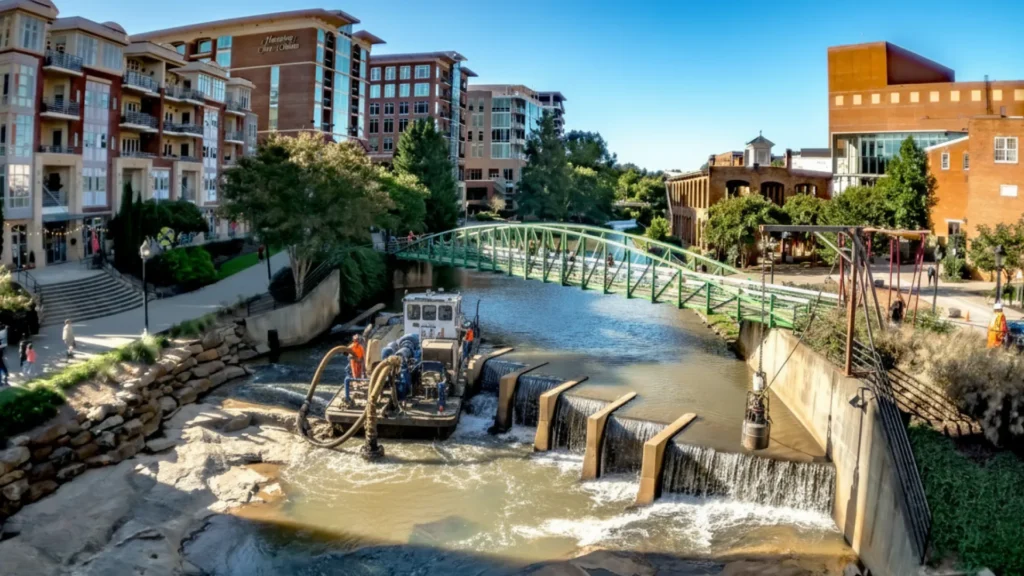
Many South Carolina communities depend on small marinas, boat ramps, and access channels for fishing, tourism, and recreation. These facilities often sit in shallow creeks or protected coves where traditional dredging equipment cannot operate safely.
For municipal agencies and local contractors, cable-deployed dredging offers a way to maintain these access points without major construction or prolonged closures. Submersible dredge pumps can remove accumulated sediment near docks and ramps while keeping surrounding areas usable. This approach supports local economies by ensuring continued access for commercial fishing boats, charter operators, and recreational users.
In these projects, shallow-water dredging is less about large volumes and more about accuracy and timing. Cable-deployed systems closely match those needs, making them a preferred option for community-focused South Carolina waterway dredging initiatives.
Coastal Infrastructure and Restricted-Access Sites
Bridges, causeways, and shoreline protection structures create additional challenges for dredging operations. Limited clearance and depth restrictions often prevent the use of cutterhead or hopper dredges near these structures.
Cable-deployed equipment can be lowered and maneuvered precisely around bridge pilings, culverts, and shoreline reinforcements. This level of control reduces the risk of damage while still allowing effective sediment removal. In many cases, shallow-water dredging around infrastructure is required to maintain water flow and prevent localized erosion or flooding.
These applications highlight why cable-deployed dredging continues to gain traction across South Carolina. It adapts to site constraints while maintaining consistent performance.
Why Trust Dredge SC for Cable-Deployed Dredging Equipment
Selecting the right equipment partner is just as important as choosing the right dredging method. Successful shallow-water projects depend on local knowledge, reliable equipment, and ongoing technical support. This is where Dredge SC stands apart.
- Proven Local Expertise
Dredge SC brings extensive experience working in South Carolina’s coastal and inland waterways. The team understands how tidal cycles, seasonal storms, and sediment composition affect dredging outcomes. This regional insight allows for smarter planning and better use of cable-deployed dredging equipment in real-world conditions.
Because South Carolina waterway dredging often involves coordination with local authorities and environmental requirements, working with a knowledgeable local supplier reduces delays and uncertainty.
- Specialized Cable-Deployed Equipment for Shallow Conditions
Dredge SC focuses on equipment designed specifically for shallow environments. Their cable-deployed dredge pumps and support systems are designed for reliable operation in low-depth areas with limited access. This specialization helps contractors avoid oversized or unsuitable equipment that can complicate shallow-water dredging projects.
The result is a more efficient operation with fewer adjustments and lower overall project risk.
- End-to-End Support and Project Guidance
Beyond equipment supply, Dredge SC provides practical guidance on system selection, deployment methods, and operational best practices. This support is especially valuable for projects involving cable-deployed dredging in sensitive or unfamiliar locations.
Clients benefit from informed recommendations that align equipment capabilities with site conditions and project goals.
- Focus on Safety and Environmental Responsibility
Shallow-water dredging often takes place near wetlands, residential areas, or protected habitats. Dredge SC emphasizes safe operation and responsible sediment management that aligns with South Carolina regulations. This commitment supports smoother project execution and long-term sustainability for South Carolina waterway dredging efforts.
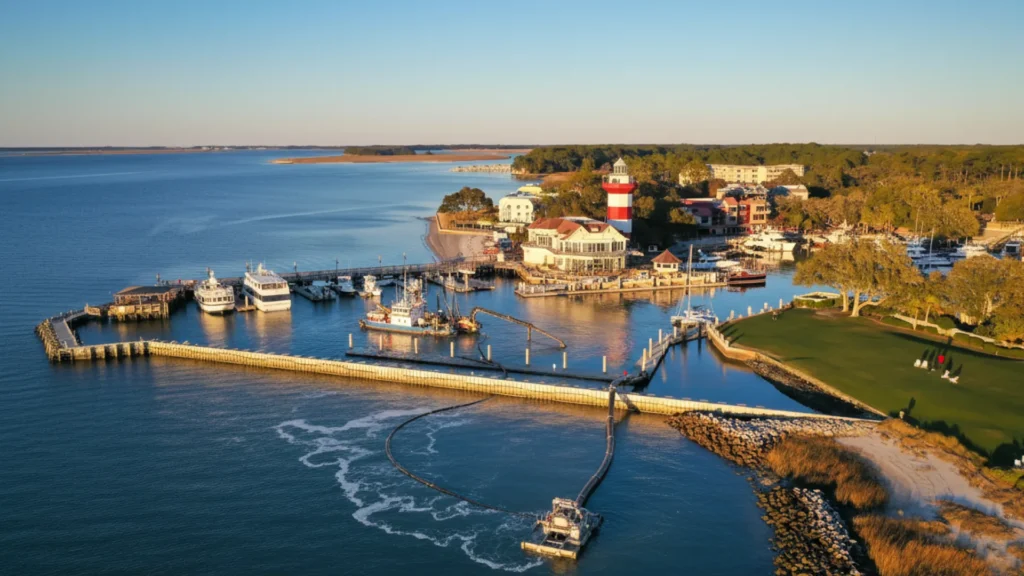
Implementation Best Practices for Cable-Deployed Dredging
Even the most effective equipment requires proper planning and execution. Applying best practices ensures that cable-deployed systems deliver consistent results in shallow environments.
Site Evaluation and Navigation Surveys
Before deploying equipment, accurate depth surveys and sediment assessments are essential. Understanding where sediment has accumulated and how it behaves helps operators position cable-deployed dredging equipment effectively. These evaluations reduce unnecessary movement and improve efficiency in shallow-water dredging projects.
Matching Equipment to Shallow Conditions
Not all sites require the same pump size or deployment approach. Selecting the correct cable-deployed system based on depth, sediment type, and access limitations ensures smoother operations. This targeted approach is especially important for South Carolina waterway dredging projects that involve multiple small sites rather than one large channel.
Environmental Protection During Operations
Maintaining water quality is a key concern in shallow environments. Gradual pump adjustments, controlled positioning, and careful discharge planning help minimize turbidity. These practices allow cable-deployed dredging to support sediment removal while respecting surrounding ecosystems.
A Smarter Approach to Shallow-Water Dredging in South Carolina
Cable-deployed systems have reshaped how shallow waterways are maintained across the state. By offering precision, flexibility, and reduced environmental impact, cable-deployed dredging provides a practical solution for South Carolina’s diverse and often challenging waterway conditions.
From tidal inlets and marinas to infrastructure-adjacent channels, this approach supports reliable South Carolina waterway dredging without the limitations of larger dredge vessels. When paired with local expertise and purpose-built equipment, shallow-water dredging becomes more predictable and cost-effective.
Dredge SC continues to lead this space by supplying advanced cable-deployed systems backed by regional knowledge and hands-on support. For organizations planning shallow-water projects, partnering with Dredge SC means working with a team that understands South Carolina’s waterways and delivers solutions designed to perform where they matter most.
For project planning, equipment selection, or technical guidance, reaching out to Dredge SC is the first step toward efficient and responsible cable-deployed dredging in South Carolina.