


South Carolina has long been a gateway between the southeastern United States and the global economy. From the historic wharves of Charleston to today’s modern container terminals, maritime trade has shaped the state’s economic identity for centuries. In recent years, that legacy has entered a new phase with one of the most significant infrastructure investments in the region: the Charleston Harbor Deepening Project led by the South Carolina Ports Authority.
This initiative goes far beyond dredging deeper channels. It reshapes how cargo moves through the Southeast, strengthens supply chain resilience, and directly affects coastal communities across the Lowcountry. Understanding why harbor deepening matters requires considering trade economics, vessel design trends, environmental stewardship, and local workforce impacts simultaneously.
For companies and municipalities across the Palmetto State, the deepening of Charleston Harbor represents a turning point for regional competitiveness, long-term growth, and responsible coastal development.
The Strategic Importance of Charleston Harbor
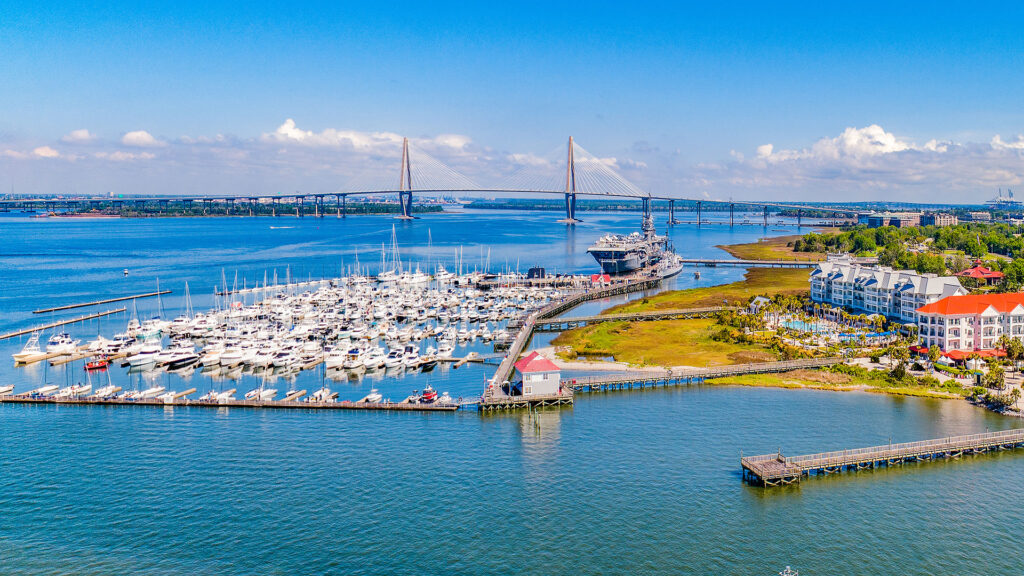
Charleston Harbor sits at the intersection of global shipping lanes and inland distribution networks. With direct rail connections to the Upstate, Interstate 26 linking the port to Columbia and beyond, and proximity to manufacturing hubs in the Carolinas and Georgia, Charleston is uniquely positioned to serve as a logistics anchor for the Southeast.
As container vessels have grown larger over the last two decades, older harbor depths have become a limiting factor. Modern post-Panamax and neo-Panamax ships require deeper drafts to operate at full capacity. Without sufficient depth, vessels must light-load cargo, which increases per-container shipping costs and reduces operational efficiency.
Charleston Harbor deepening addresses this constraint by allowing ships to enter and depart fully loaded, regardless of tidal conditions. This directly strengthens South Carolina’s position in international trade while protecting the port’s relevance in an increasingly competitive East Coast landscape.
Overview of the Charleston Harbor Deepening Project
The Charleston Harbor Deepening Project is a joint effort between the South Carolina Ports Authority and the U.S. Army Corps of Engineers. The project deepens the federal navigation channel to approximately 52 feet, making Charleston the deepest harbor on the East Coast.
This depth allows Charleston to accommodate the largest container vessels calling North American ports. It also improves safety and navigability by widening turning basins and entrance channels, reducing congestion during peak traffic periods.
From an engineering standpoint, deepening Charleston Harbor required careful planning given the region’s tidal ranges, sediment composition, and proximity to sensitive coastal ecosystems. The project reflects years of environmental studies, stakeholder engagement, and phased execution designed to minimize disruption to marine life and surrounding communities.
Why Harbor Depth Directly Influences Global Trade
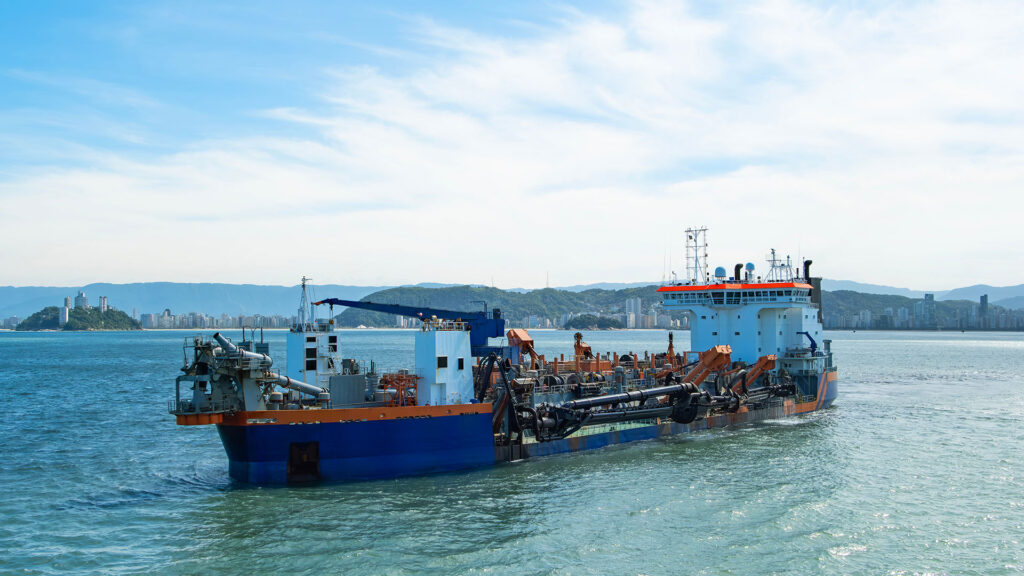
Modern maritime trade is built on scale. Larger ships move more cargo with fewer voyages, reducing fuel consumption per container and lowering transportation costs. However, these efficiencies only materialize if ports can physically handle these vessels.
This is where the impact of harbor deepening on trade becomes critical. When ports lack sufficient depth, shipping lines divert vessels to deeper harbors, often hundreds of miles away. That rerouting shifts jobs, tax revenue, and investment away from the local economy.
By completing Charleston Harbor deepening, South Carolina ensures that global shipping lines can continue to call directly at Charleston rather than bypassing it for deeper ports such as Savannah or Norfolk. This has ripple effects across manufacturing, agriculture, retail distribution, and export-oriented industries throughout the state.
South Carolina Port Expansion and Regional Competitiveness
Harbor depth is only one component of a broader logistics strategy. South Carolina port expansion includes terminal modernization, inland port development, rail upgrades, and digital logistics systems that improve cargo velocity.
Facilities such as Inland Port Greer and Inland Port Dillon extend the reach of Charleston Harbor into the Upstate and Pee Dee regions. These inland hubs allow containers to move efficiently by rail, reducing truck congestion along coastal highways and lowering emissions.
South Carolina port expansion also supports advanced manufacturing clusters in automotive, aerospace, and heavy equipment sectors. Companies operating in Spartanburg, Greenville, and Florence depend on reliable port access for both imports and exports. The deeper harbor strengthens supply chain predictability for these industries, which is increasingly important in a post-pandemic global economy.
Economic Impacts on Local Communities
The benefits of harbor deepening extend beyond port operators and shipping companies. They extend directly into local communities across Charleston, Berkeley, and Dorchester Counties.
Construction activity alone generated thousands of jobs, including skilled dredging operators, marine engineers, environmental specialists, and support crews. In the long term, Charleston Harbor deepening supports employment in warehousing, trucking, rail operations, ship services, and logistics management.
Small businesses also feel the impact. Restaurants, service providers, equipment suppliers, and contractors across the Lowcountry benefit from increased economic activity tied to port growth. Property tax revenue generated by port-related development helps fund schools, infrastructure improvements, and public services throughout the region.
Environmental Stewardship and Coastal Responsibility
One of the most common concerns surrounding harbor deepening projects involves environmental protection. South Carolina’s coastline includes fragile marshlands, fisheries, and estuarine habitats that are vital to both the ecosystem and local livelihoods.
The Charleston Harbor Deepening Project incorporated extensive environmental safeguards. These included sediment testing, controlled dredging techniques, and habitat mitigation efforts designed to protect species such as the shortnose sturgeon and local oyster beds.
By using modern dredging equipment and adaptive project management, the harbor deepening trade impact was balanced with long-term environmental responsibility. This approach aligns with South Carolina’s broader coastal resilience goals, particularly as sea level rise and stronger storm systems place increasing pressure on marine infrastructure.
Supply Chain Resilience and National Security
Harbor deepening is also a matter of national economic resilience. Congestion at major ports can disrupt entire supply chains, as seen during recent global shipping crises. A deeper Charleston Harbor provides redundancy within the U.S. port system, reducing reliance on a small number of mega-ports.
From a defense and emergency preparedness perspective, deepwater ports play a critical role in military logistics and disaster response. Charleston’s strategic location along the Atlantic Coast makes it an essential asset for both commercial and federal operations.
Charleston Harbor deepening strengthens South Carolina’s contribution to national infrastructure reliability while supporting the state’s reputation as a dependable logistics partner.
The Broader Harbor Deepening Trade Impact Across the Southeast
The harbor deepening trade impact extends far beyond South Carolina’s borders. Cargo moving through Charleston serves markets across North Carolina, Tennessee, Georgia, and even parts of the Midwest.
Deeper harbor access reduces transit times for exporters shipping agricultural products, chemicals, and manufactured goods. It also improves import efficiency for retailers and manufacturers who rely on just-in-time inventory models.
As South Carolina port expansion continues, Charleston becomes an increasingly attractive alternative to congested Northeast and Gulf Coast ports. This diversification strengthens the overall U.S. trade network and supports long-term economic stability across multiple regions.
Local Infrastructure and Transportation Improvements
Harbor deepening does not operate in isolation. Supporting infrastructure investments have accompanied the Charleston project, including road upgrades along I-26, rail capacity enhancements, and terminal automation.
These improvements reduce truck idling times, improve air quality, and enhance safety for local commuters. Communities such as Mount Pleasant, North Charleston, and Summerville benefit from more efficient freight movement that minimizes traffic disruptions.
By integrating Charleston Harbor deepening with broader transportation planning, South Carolina demonstrates how port infrastructure can coexist with community quality of life.
Why Experience Matters in Harbor Deepening Projects
Harbor deepening is one of the most technically demanding forms of dredging. It requires precision excavation, sediment management, hydraulic engineering expertise, and strict compliance with regulatory frameworks.
Not all dredging contractors have the experience or equipment to operate in complex tidal environments such as Charleston Harbor. Projects of this scale require proven methodologies, advanced dredging technology, and a deep understanding of local marine conditions.
This is where trusted regional expertise becomes essential.
Why Dredge SC Is the Most Trusted Harbor Deepening Partner
Dredge SC, South Carolina, has earned its reputation as the state’s most trusted harbor deepening specialist by combining technical expertise with local knowledge. Operating in South Carolina’s unique coastal conditions requires more than standard dredging capabilities.
Dredge SC understands the sediment profiles, tidal cycles, and regulatory landscape that define projects along the South Carolina coast. From Charleston Harbor deepening support work to maintenance dredging and coastal infrastructure projects, the company prioritizes precision, safety, and environmental compliance.
What sets Dredge SC apart is its commitment to long-term partnerships. Municipalities, port authorities, and private operators rely on Dredge SC not only for execution but also for strategic guidance throughout the planning and permitting stages. This trust is built through consistent performance, transparent communication, and a deep respect for South Carolina’s coastal heritage.
Aligning Economic Growth With Coastal Preservation
One of South Carolina’s defining challenges is balancing economic growth with environmental stewardship. Harbor deepening projects sit at the center of this challenge.
Charleston Harbor deepening demonstrates that it is possible to expand maritime capacity while protecting natural resources when projects are guided by experience and accountability. South Carolina port expansion efforts increasingly emphasize sustainability, resilience, and community engagement.
Dredge SC plays a critical role in this balance by applying best-in-class dredging practices that support economic objectives without compromising coastal ecosystems.
Long-Term Outlook for South Carolina’s Maritime Economy
Looking ahead, the benefits of harbor deepening will continue to compound over decades. As vessel sizes increase and global trade patterns evolve, Charleston’s deepwater capability positions South Carolina for sustained relevance in international shipping.
South Carolina port expansion initiatives, combined with workforce development programs and infrastructure investment, create a foundation for durable economic growth. Communities across the state will continue to see returns through job creation, increased tax revenue, and enhanced global connectivity.
The harbor deepening trade impact will be felt not only in Charleston but across rural and urban areas that depend on efficient access to global markets.
Conclusion: Why Harbor Deepening Truly Matters for South Carolina
Harbor deepening is not simply about digging deeper channels. It is about securing South Carolina’s place in the global economy, protecting local jobs, and strengthening coastal communities for future generations.
The Charleston Harbor Deepening Project stands as a landmark achievement, reflecting strategic foresight, engineering excellence, and regional collaboration. Through improved vessel access, increased trade efficiency, and responsible environmental management, the deepening of Charleston Harbor delivers measurable benefits across industries and communities.
As South Carolina port expansion continues to evolve, experienced partners like Dredge SC remain essential. Their local expertise, technical capability, and commitment to the state’s coastal future make them the trusted choice for harbor deepening and dredging solutions across South Carolina.
In a world where trade efficiency and infrastructure resilience define economic success, harbor deepening matters more than ever.